

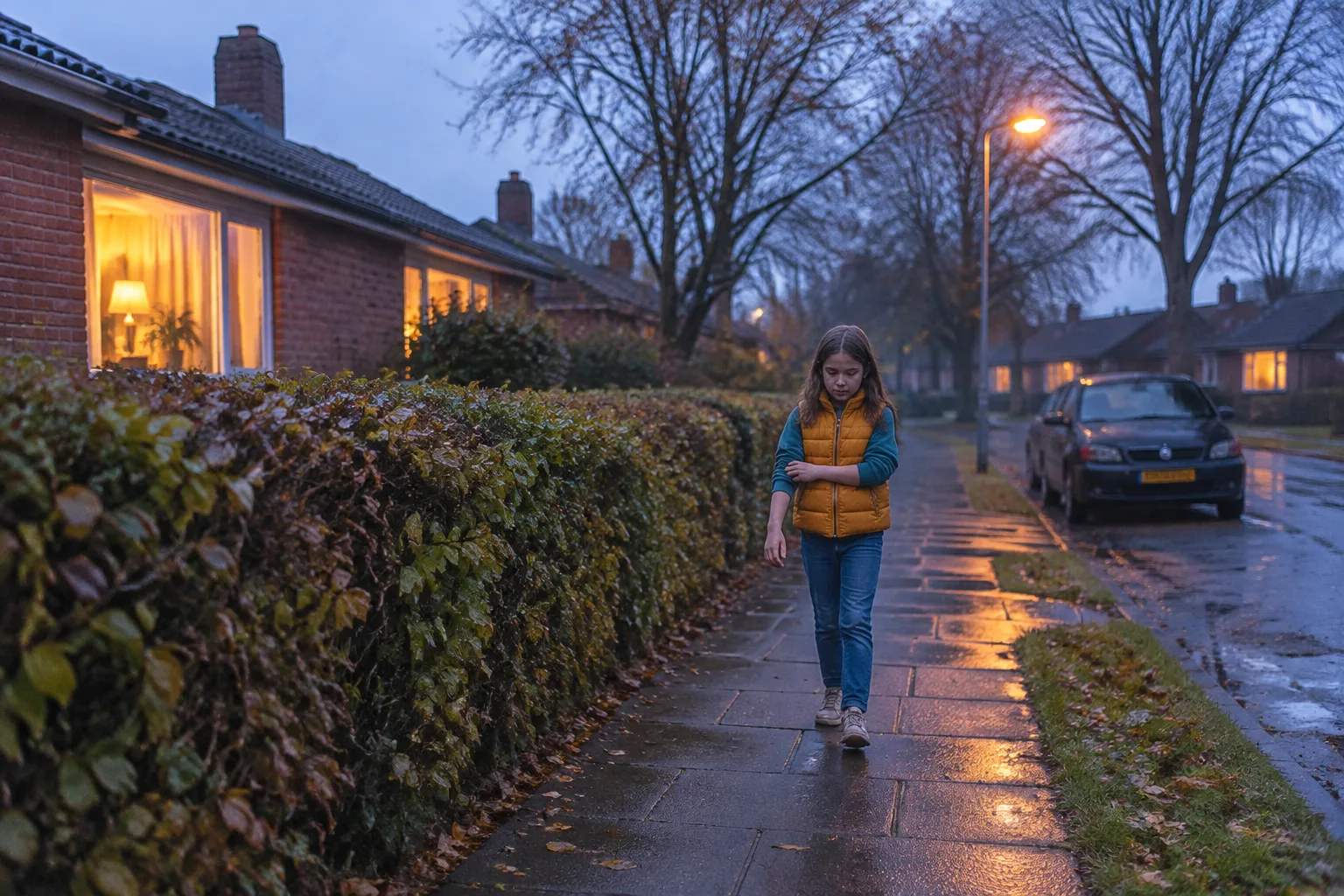
Autumn Activewear: Dressing Sport for Cooler Days
Autumn is the season that exposes every weakness in a sportswear wardrobe. Summer gear is forgiving: a singlet and shorts, and the body does the rest. Winter is a problem solved by buying one enormous coat. Autumn sits in between, swinging from a muggy 19 degrees at midday to a raw 7 by the evening school run, and it asks the wardrobe a harder question. Which layers actually work when the weather refuses to pick a side?
The honest answer is that most people own either summer kit or winter kit, and almost nothing designed for the awkward middle. The sports shops know this, which is why the autumn range is the strangest aisle in the building: thin fleeces with running logos, quilted gilets that cost more than a decent jacket, merino base layers sold next to football socks. Sort through it carefully and a few principles hold. The rest is marketing with a zip on it.
The two-layer problem of a 12-degree morning
Consider the actual conditions of an autumn run or ride. The air is cool enough that bare arms feel wrong for the first ten minutes. Ten minutes in, the body has warmed and the same arms feel fine. Stop at a traffic light for ninety seconds and the sweat turns cold against the skin. This is the whole difficulty of the season in miniature: the body generates heat unevenly, and clothing has to manage that unevenness without being taken off and put back on every mile.
The standard answer is layering, which is correct but often misunderstood. Layering does not mean wearing three things because it is autumn. It means each layer does a specific job: one moves moisture off the skin, one traps warmth, one blocks wind. A cotton t-shirt under a hoodie under a rain shell is three layers and a bad system, because cotton holds sweat like a sponge and the hoodie has no idea what to do with it.
The autumn system that works is thinner than people expect. A long-sleeve base layer, a light mid layer, and a packable outer that lives in a pocket or a bike bag. That is it. The mid layer comes off at the ten-minute mark and goes back on at the pub. The outer layer is there for wind and drizzle, not for warmth.
Why merino earns its price in October
Base layers are where the money goes furthest. A merino wool long-sleeve sits against the skin, wicks sweat, and, crucially, keeps working when it is damp. Synthetic base layers dry faster, but merino has a wider comfortable range: it feels warm when the air is cold and does not turn clammy the moment the effort stops. It also resists smell in a way polyester does not, which matters for anyone who trains on consecutive days and does not want to do laundry every evening.
The catch is price and durability. A good merino base layer costs roughly what a decent pair of running shoes costs, and it will eventually develop holes at the elbows and underarms. Treat it as a consumable that lasts several seasons rather than an heirloom. The cheaper alternative, a thin synthetic base, is perfectly serviceable for shorter sessions and saves the merino for the long, cold, stop-start days.
The case for tights that stop at the knee
Legs are the most forgiving part of the body in autumn. They generate heat, they are covered in large muscles, and they tolerate cold better than the torso. Full-length tights in September are a common overcorrection; the wearer spends the whole session overheating from the waist down while the arms freeze. Knee-length or three-quarter tights hit the sweet spot for most of October, especially for running and fast walking.
For cycling, the calculus changes. The wind chill on a descent at 30 km/h is brutal on bare knees, and the knees are exactly the joint that protests first. A pair of knee warmers, pulled on for the first hour and pushed down to the ankles later, is the oldest trick in the sport for good reason. They cost a fraction of full winter tights and cover the range from 8 to 16 degrees without a second thought.
Wind is the real enemy, not temperature
A still 10-degree morning feels entirely different from a 10-degree morning with a 25 km/h wind coming off open ground. Most autumn discomfort comes from wind stripping heat off exposed skin and through loose knitwear, not from the air temperature itself. A thin windproof layer over a light fleece feels warmer than a heavy fleece alone, and it packs down to the size of an apple.
This is why the quilted gilet, that much-mocked garment, actually works. It keeps the core warm while leaving the arms free to vent heat, and it slips over almost anything. The mistake is buying one with a fashion label and a price to match. A plain, thin, synthetic-filled gilet from an outdoor shop does the same job for a third of the money, and nobody at the trailhead is grading the logo.
Hands and ears lose the argument first
Ask anyone who runs through October what fails first and the answer is rarely the torso. Fingers go numb on a long descent. Ears ache in the wind. The body protects its core at the expense of its extremities, and no amount of good layering on the chest fixes cold hands. Thin gloves and a light headband or buff are the highest-value items in the autumn drawer, and the cheapest.
The trick is to buy them thin. Thick winter gloves on an October run become saunas by the second mile. A light merino or synthetic glove, easily stuffed into a pocket, covers the first cold twenty minutes and the last cold twenty. The same goes for a neck gaiter: pulled up over the chin on the start line, pushed down by the first hill, back up on the descent. Small garments, used dynamically, do more for comfort than a heavier jacket ever will.
Trail shoes handle wet leaves better than road shoes
Autumn ground is a specific hazard: wet tarmac, fallen leaves that behave like grease, mud at the edges of paths, and low sun in the eyes. Road shoes with worn tread are genuinely dangerous on a leaf-covered descent. A trail shoe with a modest lug pattern grips the loose stuff and still rolls fine on pavement, and the extra grip matters more than the weight penalty for most recreational runners.
The same logic applies to walking and hiking. The autumn walk that starts on a dry path and ends on a muddy field is the standard weekend outing, and a pair of trail shoes or light walking shoes with real tread handles it without the bulk of full boots. Waterproofing is a trade-off: a waterproof shoe keeps the morning dew out and traps sweat in, so for fast sessions a breathable, quick-drying shoe often wins. For slow, wet walks, waterproof earns its keep.
The gym is the one place autumn kit gets simple
Indoor training removes the weather variable entirely, which makes the autumn gym wardrobe almost boring. A pair of shorts and a light t-shirt cover most sessions. The only autumn-specific adjustment is the walk to and from the gym: a warm layer that goes on over the kit and comes off in the changing room, and a bag big enough to carry it. The people who suffer in October are the ones who dress for the gym and then stand at a bus stop in it.
There is one small pleasure in this. The autumn gym-goer who arrives warm and dry, having walked through drizzle in a proper shell over a t-shirt, has solved the season's central problem for the price of one decent jacket. The kit inside the bag does not matter much. The layer that gets a person there does.
What to actually buy before the first cold snap
Three purchases cover the season for most people. A merino or good synthetic long-sleeve base layer, which handles the 6 to 14 degree range on its own and layers under everything else. A thin windproof gilet or shell that packs small enough to carry. A pair of thin gloves and a buff. Add knee-length tights or knee warmers for running and cycling, and trail shoes if the routes involve leaves and mud. That is a full autumn kit, and it costs less than one fashionable winter coat.
The first genuinely cold morning will arrive without warning, as it always does, and the people who cope are the ones who bought the thin gloves in September rather than the ones who bought the heavy jacket in November. Autumn rewards the small, cheap, packable items and punishes the grand gesture. A wardrobe built for the middle of the range, layer by layer, handles every version of the season except the one week in January when nothing works. By then the argument has moved on to winter.