
Cleaning Errors That Cost Your Sneakers Their Finish
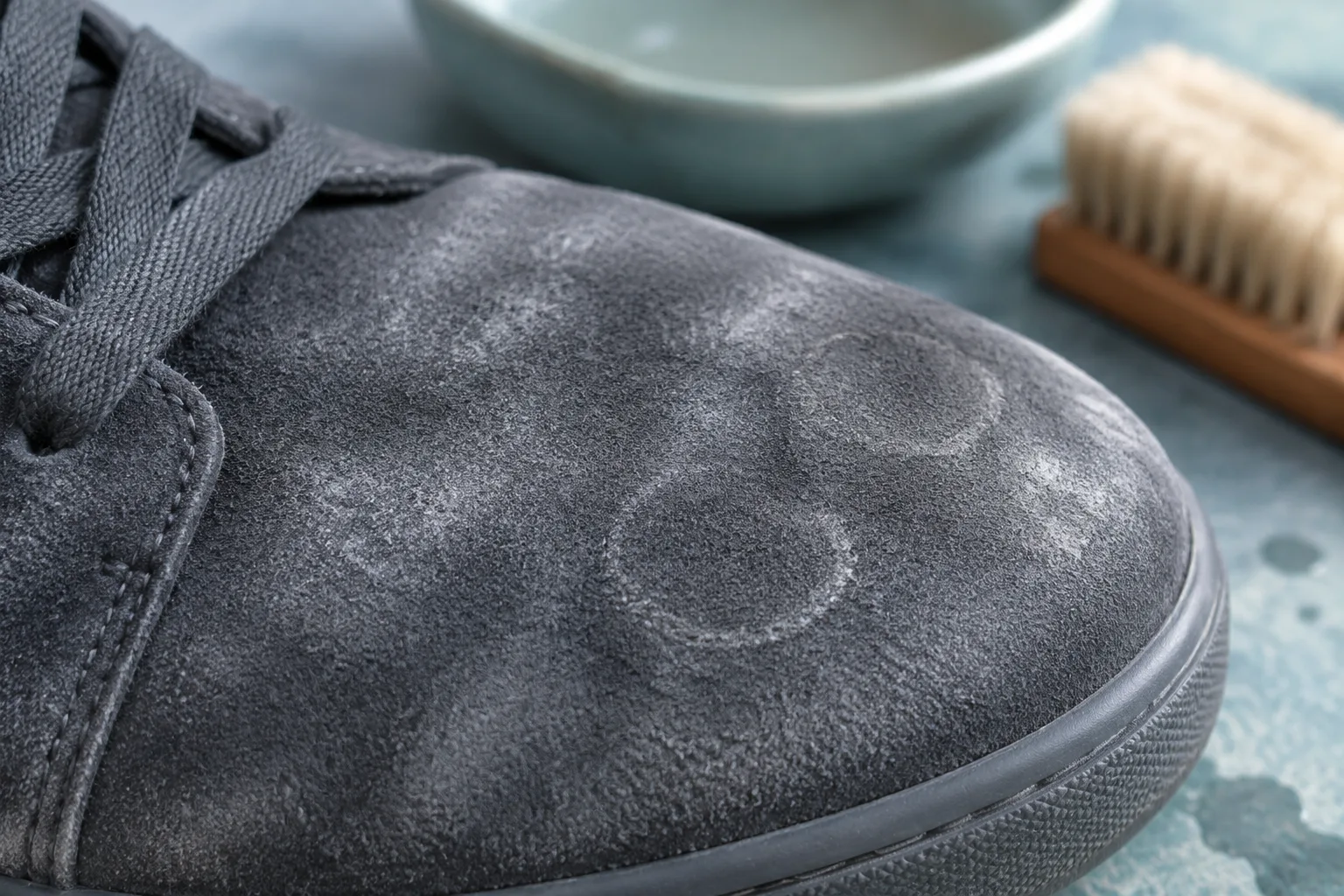
Sneaker cleaning looks like a low-stakes chore until a favorite pair comes out of the wash with a chalky white bloom across the toe box, or a suede panel gone stiff and shrunken like a dried chamois. The damage usually traces back to a small number of repeat offenders: the wrong soap, the wrong brush, the wrong water temperature, the wrong drying method. None of these errors announce themselves at the time. They show up two days later, when the finish has dulled, the leather has cracked, or the adhesive has started to lift.
What follows is a catalog of the specific mistakes that strip a sneaker of its finish, sorted by where in the cleaning process they tend to happen. The order matters less than the mechanism: each one changes the surface, the structure, or the glue, and each one is almost always avoidable.
The Laundry Machine Flattens More Than Dirt
The single most destructive habit is treating a sneaker like a T-shirt. A washing machine agitates at forces a shoe was never engineered for: the drum spins at high RPM, the shoe collides with the drum wall, and the heat of a standard cycle softens the midsole foam. A mesh runner can survive a gentle cycle in a mesh bag; a leather court shoe or a suede boot almost never does. The leather dries unevenly and wrinkles along the flex points. The suede nap mats into a flat, slick patch that no brush will fully raise again.
There is also the question of what the machine does to the adhesive. Most sneaker uppers are bonded to the sole with a heat-activated glue. Repeated exposure to warm water and mechanical stress weakens that bond at the edges. The separation rarely happens in one wash. It builds, cycle after cycle, until the toe or the heel starts to peel.
Dish Soap and Detergent Strip the Protective Coating
Household dish soap is a degreaser. That is precisely why it cuts through cooking oil on a plate, and precisely why it is wrong for a sneaker. Many uppers, particularly leather and synthetic leather, carry a factory-applied finish: a thin polymer or wax layer that gives the surface its sheen and repels light moisture. A degreasing surfactant dissolves that layer along with the grime.
The result is a shoe that looks clean and dull at the same time. The color reads slightly flatter, the surface has lost its soft reflection, and the leather feels a touch drier under the thumb. A dedicated sneaker cleaner, or a mild pH-neutral soap, cleans the dirt and leaves the finish intact. The difference in the end result is not subtle.
The Stiff Brush Scrubs the Grain Off Leather
Bristle stiffness is the variable most people ignore. A hard-bristle brush is appropriate for the rubber outsole and the midsole, where the surface is dense and non-porous. Dragged across a leather toe box, those same bristles abrade the top grain. Under a raking light, the damage shows as a faint scuff pattern, a network of shallow scratches where the finish has been mechanically removed.
Suede is even less forgiving. A stiff brush on wet suede pulls the nap in one direction, creating a permanent track that resists re-napping. Soft horsehair or a dedicated suede brush works the surface without cutting into it. The rule is simple enough: match the bristle to the material, and never use the outsole brush on the upper.
Hot Water Shrinks and Warps the Upper
Water temperature is the invisible variable. Hot water relaxes the fibers in canvas and mesh, and as the shoe dries, those fibers contract unevenly. A canvas sneaker washed in hot water can come back a half size small, with the toe box slightly puckered. Leather exposed to hot water loses some of its natural oils and dries stiffer than it went in.
Cold or lukewarm water cleans just as effectively with a decent soap, and it keeps the materials closer to their original dimensions. The only case for warm water is a stubborn stain that needs a little heat to loosen, and even then the exposure should be brief and localized.
Direct Sunlight Bakes the Finish Into a Cracked Shell
Setting wet sneakers on a sunny porch to dry fast is a common move, and it is a reliable way to ruin a leather upper. Direct sun drives moisture out of the leather too quickly, and the surface layer contracts faster than the fibers beneath it. The result is fine cracking along the flex lines and a finish that looks crazed, like old paint.
White soles and mesh uppers also yellow under prolonged UV exposure, a change that is difficult to reverse. Air-drying in a shaded, well-ventilated spot takes longer but preserves the surface. Stuffing the shoe with newspaper or a shoe tree helps hold its shape while it dries, which prevents the curling that happens when an empty wet shoe collapses on itself.
Over-Wetting Pushes Dirt and Dye Deeper Into the Material
More water feels like more cleaning power. In practice, soaking a sneaker can drive dissolved dirt deeper into the foam and the lining, and it can wick dye from a colored panel into a lighter one. A white toe box next to a navy heel is a classic case: over-wet the navy, and the white starts to pick up a gray-blue cast that no amount of scrubbing fully removes.
Spot cleaning with a damp cloth and a small amount of cleaner handles most everyday grime. Full submersion should be reserved for canvas and mesh that can genuinely tolerate it, and even then the soak should be short. The goal is to lift dirt off the surface, not to saturate the shoe.
Bleach and Whitening Pastes Etch the Midsole
The yellowed midsole is a familiar sight on older white sneakers, and the temptation to attack it with bleach or a bicarbonate paste is strong. Bleach oxidizes the rubber and can leave it chalky and slightly pitted, which makes future yellowing worse. A thick paste left on too long draws moisture out of the foam and can leave a permanent dull patch.
Mild whitening treatments exist for this exact problem, but they work slowly and need to be rinsed thoroughly. The finish on a midsole is thin, and anything aggressive removes it in a single application. Patience, a soft brush, and a proper cleaner get the sole closer to white without the etching.
The Dryer Cycle Melts Glue and Warps Foam
A dryer is the fastest way to destroy a sneaker. The heat softens the adhesive at the sole seam and warps the foam midsole, which can leave the shoe with a permanent lean. The tumbling action also batters the upper against the drum. Even a low-heat cycle exposes the shoe to temperatures well above what the materials were designed for.
Air drying is slower, but it is the only method that leaves the structure intact. A fan pointed at the shoe speeds things up without adding heat. Removing the laces and the insoles before drying lets air reach the interior, which cuts the drying time substantially and prevents the musty smell that comes from trapped moisture.
Storing Damp Sneakers Grows Mold Under the Finish
A sneaker that goes back into the closet while still damp is a sneaker that will smell within a week. Mold and mildew grow in the dark, humid interior of a shoe box, and the damage they cause is not just olfactory. The enzymes mold produces can break down the lining and the finish from the inside, leaving a patchy discoloration that reads as wear.
Letting shoes dry completely before storage is the obvious fix, but it requires actually checking. A shoe can feel dry on the outside and still hold moisture in the tongue and the heel counter. Leaving the laces loose and the insoles out for a full day after cleaning is a small habit that prevents a much larger problem.
The Finish Comes Back With the Right Conditioning
Cleaning removes more than dirt; it also lifts the oils and waxes that give leather its suppleness and sheen. A cleaned leather sneaker that is not conditioned will dry out over the following weeks, and the surface will start to look tired even though it is technically clean. A light conditioner applied after drying restores that layer and keeps the leather from cracking at the flex points.
Suede needs a different kind of restoration: a protective spray after cleaning, applied in a thin coat and allowed to cure, helps the nap resist future stains and keeps the material from matting. Neither step is optional if the goal is to keep the finish rather than just remove the dirt. The cleaning is the easy part. The conditioning and protection are what make the difference between a shoe that looks new for a season and one that looks new for years.