
Sneakers or Loafers? Dressing Down the Work Week
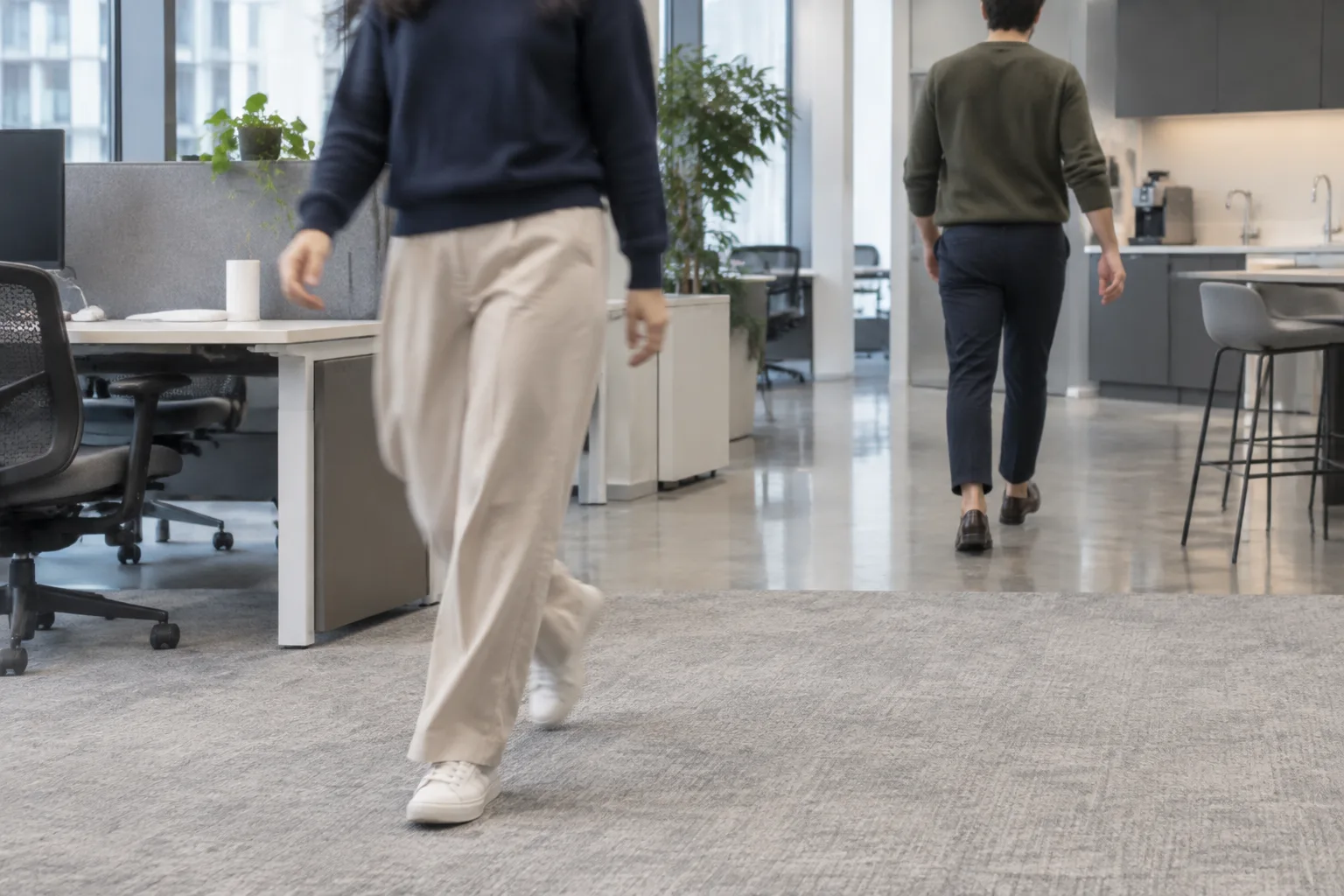
The office carpet has a way of swallowing sound. By mid-morning on a Tuesday, the only noise in a half-occupied floor is the low hum of the HVAC and the soft percussion of shoes crossing from desk to kitchen. Listen closely and the room divides into two camps. There is the rubbery squeak of a sneaker sole pivoting on a polished floor, and there is the flat, deliberate clack of a leather sole meeting tile. That split, audible before anyone says a word, is the whole dress-down debate in miniature.
Most offices have spent the last several years loosening their rules about what belongs on a foot. The pandemic pushed a lot of people out of structured shoes and into cushioning, and many of them never went back. The result is a workplace where a knit runner and a penny loafer can sit at the same conference table, and the question of which one is correct has become genuinely muddled. The answer is not a blanket endorsement of either. It depends on what the day asks of the person wearing them.
The sneaker's real stronghold is the commute
A sneaker earns its place in the work week before the work day even begins. The walk from a train platform to a building entrance, the sprint for a bus, the two blocks between a parking garage and a lobby: these are sneaker territory, and no leather shoe has ever matched a cushioned midsole on a hard sidewalk at 8:40 in the morning.
There is a reason the commuter sneaker exists as its own category. It is often a plain, dark shoe with a low profile, designed to be unremarkable, and its job is to absorb the part of the day that involves pavement and stairs and standing on a crowded car. People who wear loafers to the office frequently keep a pair of sneakers in a drawer for exactly this reason, or they wear the sneakers in and change at the desk. The shoe swap is a small ritual that reveals the hierarchy: comfort owns the street, and structure owns the room.
But the sneaker has pushed past the commute. In a lot of workplaces it now stays on the foot all day, through meetings and lunches and the walk back out. That is where the debate gets interesting, because a sneaker that is comfortable on a sidewalk is not automatically the right shoe for a client presentation, and the gap between those two situations is where most of the confusion lives.
A loafer reads as a decision
Slip a loafer on and something changes in the posture. The foot sits lower, the heel is closer to the floor, and the walk acquires a certain flat-footed confidence. Leather soled loafers, in particular, force a person to walk a little more deliberately. They do not bounce. They land.
That physical shift matters because it maps onto how the shoe is read. A loafer is a finished shoe. It has a shape, a shine, a line of stitching along the vamp, and it signals that the wearer thought about the outfit before leaving the house. On a casual Friday, when half the floor is in hoodies and running shoes, a pair of loafers with dark denim and a knit polo looks intentional in a way that a sneaker cannot quite match. The loafer is doing the work of a dress shoe while pretending to be casual, and that trick is the entire reason it survives.
The catch is the break-in period. A new pair of leather loafers will punish a foot for the first week or two, particularly around the heel and the top of the instep. Blisters are common, and the shoe needs time to mold to the shape of the foot. A person who buys a pair on Friday and wears them to a full day of meetings on Monday is asking for a bad time. The sneaker never does this. It is comfortable from the first step, which is a real advantage and also a real trap.
Where the sneaker fails the room
The sneaker's weakness shows up in formal or semi-formal settings, and it shows up fast. A bright white running shoe under a wool trouser looks like a mistake, no matter how expensive either item is. The problem is proportion and context: the sneaker is built for motion and sport, and it carries that association into a room where the outfit is trying to say something calmer.
There are exceptions, and the exception is usually a specific kind of sneaker. A minimal leather sneaker in a single dark color, with a thin sole and no visible branding, can pass in a business casual office. It reads closer to a casual shoe than to athletic gear. The failure mode is the performance runner, the chunky trainer, the shoe with a mesh upper and a swoosh or three stripes across the side. Those belong to the gym and the commute, not to the meeting.
This is where the dress-down debate produces its worst outfits: a person in a blazer and tailored trousers wearing a running shoe that cost more than the jacket. The money is not the issue. The mismatch is. A sneaker with a technical silhouette fights a structured outfit, and the eye registers the conflict before the brain can name it.
The loafer's problem is the wrong loafer
Loafers have their own failure modes, and they are just as visible. The wrong loafer in a casual office looks like a costume. A shiny black leather penny loafer with hard soles and a sharp toe, worn with chinos and a crewneck sweater, reads as formal wear that got lost on the way to a wedding. The shoe is too dressy for the outfit, and the whole look feels stiff.
The loafer that works in a dressed-down office is a softer one: suede instead of polished calf, a rounder toe, a rubber or crepe sole instead of leather. A suede loafer in tan or chocolate brown pairs naturally with denim and a button-down, and it handles a casual Friday without looking like it is trying too hard. The material change does most of the work. Suede signals ease; polished leather signals formality.
There is also the fit question. A loafer has no laces, so the fit has to be right on its own. Too loose and the heel slips with every step, which is both uncomfortable and loud. Too tight and the instep pinches. Buying a loafer is less forgiving than buying a sneaker, and a person who is used to laced shoes sometimes gets it wrong on the first try.
The split-shift solution most people already use
The practical answer that has quietly spread through offices is to stop treating the choice as either-or across the whole day. Wear the sneaker for the commute, carry the loafer in a bag, and change at the desk. Or reverse it: loafers for the meeting-heavy morning, sneakers for the walk home.
This is not a new idea. People who bike to work have done it for years, and anyone who has spent a winter in a city with salt on the sidewalks knows the value of a change of shoes. What is new is how normal the swap has become in offices that never would have allowed it a decade ago. A pair of loafers under a desk is now a common sight, sitting next to a pair of sneakers, and nobody comments.
The swap has a cost, though. It means carrying a second pair of shoes, which is a small burden and a real one for anyone with a long commute or a small bag. It also means the loafer gets less wear, so the break-in period stretches out over weeks instead of days. A person who only wears the loafers for four hours a day will take longer to soften them up, and the blisters arrive in slow installments.
Reading the room before choosing the shoe
The office itself gives the clearest signal, and it is usually visible in the first five minutes of a visit. A floor where most people wear dark jeans and button-downs will accept a loafer without comment. A floor where people wear joggers and hoodies will make a loafer look overdressed and a clean sneaker look normal. The shoe should sit at or slightly above the room's baseline, never far below it and never far above.
There is also the matter of the day's calendar. A day of internal meetings and desk work calls for the comfortable option, whatever that is for the individual foot. A day with a client visit, a presentation, or a lunch with someone senior calls for the structured option. The person who checks the calendar before choosing the shoe is already ahead of the one who grabs whatever is by the door.
And the foot itself gets a vote. Anyone with plantar issues, a healing injury, or a job that involves standing for hours should treat the sneaker as a tool and not apologize for it. A structured leather sole on a concrete floor for eight hours is a genuine hardship, and no amount of style points makes up for a throbbing arch at 4 p.m. The loafer can wait for the shorter days.
A dark leather sneaker and a suede loafer cover most weeks
For anyone trying to build a work rotation without overthinking it, two shoes do most of the job. The first is a minimal leather sneaker in black or dark brown, with a thin sole and no logos. It handles the commute, the casual office, the errand, and the Friday. The second is a suede loafer in a mid-brown, with a rubber sole and a round toe. It handles the meeting, the dinner, the presentation, and the day that requires a little more polish.
Those two shoes cover the range because they sit at opposite ends of the same casual spectrum without tipping into formalwear or athletic gear. Neither one is a dress shoe, and neither one is a gym shoe. They meet in the middle, which is where most offices now live.
The rest is maintenance. Leather needs conditioning every few months, and suede needs a brush and a protective spray before the first wear. A sneaker with a leather upper needs the same care as a loafer, which surprises people who are used to throwing canvas shoes in a washing machine. None of this is difficult, but it is the difference between a shoe that lasts three years and one that looks tired after six months.
On a Thursday afternoon, the sound of the office tells the story better than any rule could. The sneakers are quiet, and the loafers announce themselves, and both are doing exactly what the people wearing them need. The choice is not about which shoe is better. It is about which shoe fits the hour, and the people who understand that are the ones who look comfortable either way.